If you picture a second home in Kennebunkport as a simple weekend escape, it helps to pause before you buy. This is a coastal town with a strong seasonal rhythm, older housing stock in many areas, and practical ownership needs that continue even when you are away. If you are thinking about buying here, understanding those day-to-day realities can help you choose the right property and avoid expensive surprises. Let’s dive in.
Kennebunkport Works on a Seasonal Cycle
Kennebunkport is not just a scenic place to own property. It is a town with a large seasonal swing in population, and that affects how second-home ownership feels in real life.
The town’s 2022 comprehensive plan notes 3,629 year-round residents and an estimated summer seasonal population of more than 12,000. It also states that roughly half of residences have a permanent mailing address outside town. That tells you second-home ownership is common here, but it also means you should expect a seasonal pattern in traffic, scheduling, and home use.
If you plan to spend only part of the year in Kennebunkport, think beyond the purchase itself. A second home here is often more of an operating system than a lock-and-leave property, especially when weather, upkeep, and guest use all come into play.
Travel Access Is Convenient, Not Effortless
Kennebunkport is about 25 miles south of Portland, which makes regional access fairly convenient. For many out-of-state owners, that is a real advantage.
Portland International Jetport is less than ten minutes from downtown Portland and is accessible from Exit 46 of I-95. Rail access is also available through Amtrak’s Downeaster at the Portland Transportation Center, with five daily round trips between Brunswick and Boston’s North Station.
In practical terms, many second-home owners will fly or take rail into Portland and then drive the final stretch to Kennebunkport. That last leg matters more than people sometimes expect, especially during busy summer and early fall periods when road conditions, traffic, and arrival timing can affect your plans.
If you expect to host guests often, it is smart to think through their travel pattern before you buy. A home that feels ideal on paper may work better or worse depending on how often you, your family, or visitors will be making that final drive.
Maintenance Is the Real Cost of Ownership
The biggest reality of owning a second home in Kennebunkport is maintenance. The setting is beautiful, but coastal and seasonal ownership comes with year-round responsibilities.
NOAA climate normals for the Kennebunkport station show average monthly highs around 29.4°F in December and 32.7°F in January. In summer, average highs rise to roughly 76 to 77°F in July and August. Annual snowfall is 48.9 inches, including about 13.3 inches in both January and February.
Those numbers help explain why winter planning matters so much. If your home will sit vacant for stretches, heat monitoring, snow-related access, and spring reopening are not optional details. They are a central part of protecting the property.
Maine Emergency Management Agency advises homeowners who will be away to either have someone check the heat daily or drain and shut off the water system to reduce freeze damage. The agency also warns that frozen or broken pipes can cause significant winter damage.
That is why many second-home buyers should budget for support, not just utilities and taxes. A local home-watch, property-management, or grounds-care setup can make ownership much more manageable when you are not in town.
Older Homes Need a Different Mindset
Kennebunkport’s character is part of its draw, but charm often comes with extra upkeep. If you are considering an older home, it helps to go in with realistic expectations.
The Kennebunkport Historic District contains more than 175 historic structures, and many homes are early-19th-century wood-framed buildings with clapboard or wood-shingle siding. That building stock can mean more attention to exterior maintenance, aging systems, and renovation planning than you might expect in a newer inland property.
This does not mean older homes are a poor fit. It simply means the right buying strategy includes careful due diligence, clear repair budgeting, and an honest look at how much ongoing oversight you want from a second home.
For some buyers, a newer property or condo-style setup may feel easier to manage. For others, the appeal of a classic Maine home is worth the extra coordination. The key is matching the property to the ownership experience you actually want.
Shoreland and Flood Rules Matter Early
If you are looking near the coast, regulations should be part of your search from the beginning. They can affect future changes to the property, ongoing costs, and how you think about risk.
Maine DEP says shoreland zoning is administered locally by municipalities, with the local code enforcement officer typically serving as the first point of contact. The shoreland zone generally includes land within 250 feet of tidal waters and coastal wetlands, plus 75 feet of certain streams.
If you are considering renovations, additions, decks, drainage work, or other changes, it is wise to understand early what may or may not be possible. A home that seems flexible at first glance may come with site-specific limits.
Flood risk also deserves a direct budget conversation. Maine Emergency Management Agency and the state insurance bureau both state that standard homeowners policies do not cover flood damage. Separate flood insurance is available, and lenders may require it in higher-risk flood zones.
Carrying Costs Go Beyond the Mortgage
Second-home buyers often focus first on price and location. In Kennebunkport, it is just as important to map out annual carrying costs.
A town-posted 2025 real estate tax bill showed a mil rate of $6.50 per $1,000 of assessed value, with taxes billed in two installments. That gives you a practical reminder that property taxes should be treated as an ongoing ownership expense, not just a number you glance at before closing.
You may also want to plan for seasonal services such as property checks, landscaping, snow management, heating oversight, and possible flood insurance depending on location. Even if you only use the home for part of the year, the property still depends on year-round systems and local services.
The town’s annual report lists municipal services such as police and fire protection, solid waste collection, road maintenance, sewer treatment, piers, and parking. In other words, an empty home is still part of a living town system, and your budget should reflect that.
Build Your Local Support Team Early
A second home runs better when you have trusted local help in place. That is especially true if you live out of state or plan to visit only seasonally.
The local market includes home-watch and property-management options, along with providers that combine grounds care and property oversight. That gives owners the ability to build a support network rather than relying only on occasional drop-ins.
Before you close, it helps to think through who will handle:
- Winter check-ins
- Heat monitoring
- Snow and access issues
- Landscaping and exterior upkeep
- Vendor coordination
- Emergency response if a problem comes up while you are away
A property that is easy to support from a distance may be a better fit than one that needs frequent hands-on attention. This is one of the most important practical filters second-home buyers can use.
Think Carefully About Rental Plans
Some buyers hope to offset carrying costs with short-term rentals. In Kennebunkport, that idea needs careful verification before you assume it will work.
The town’s short-term rental ordinance says licenses are annual, nontransferable to a new owner or location, and tied to the specific dwelling unit. The inspection checklist includes visible address numbers, working smoke and carbon monoxide alarms, adequate egress, sufficient parking, and occupancy that does not exceed the two-per-bedroom-plus-two rule.
The town also states that short-term rental license availability is limited and depends on annual issuance by the Select Board, transferability standards, and any licenses that were revoked. For buyers, the practical takeaway is simple: do not build your purchase decision around rental income until you verify the property’s current and future licensing potential.
This is also worth noting in the context of the local housing picture. The town’s comprehensive plan says seasonal rentals contribute to the shortage of year-round rentals, which helps explain why the town treats this issue carefully.
Choose a Layout That Supports Real Life
A second home should work well when life gets busy, not just when it looks good during a showing. In Kennebunkport, layout decisions often matter more than finishes.
Because of the town’s large summer population swing and the prevalence of older homes, flexible space can be especially useful. One room that can serve as a guest room or office often adds more day-to-day value than a more formal setup.
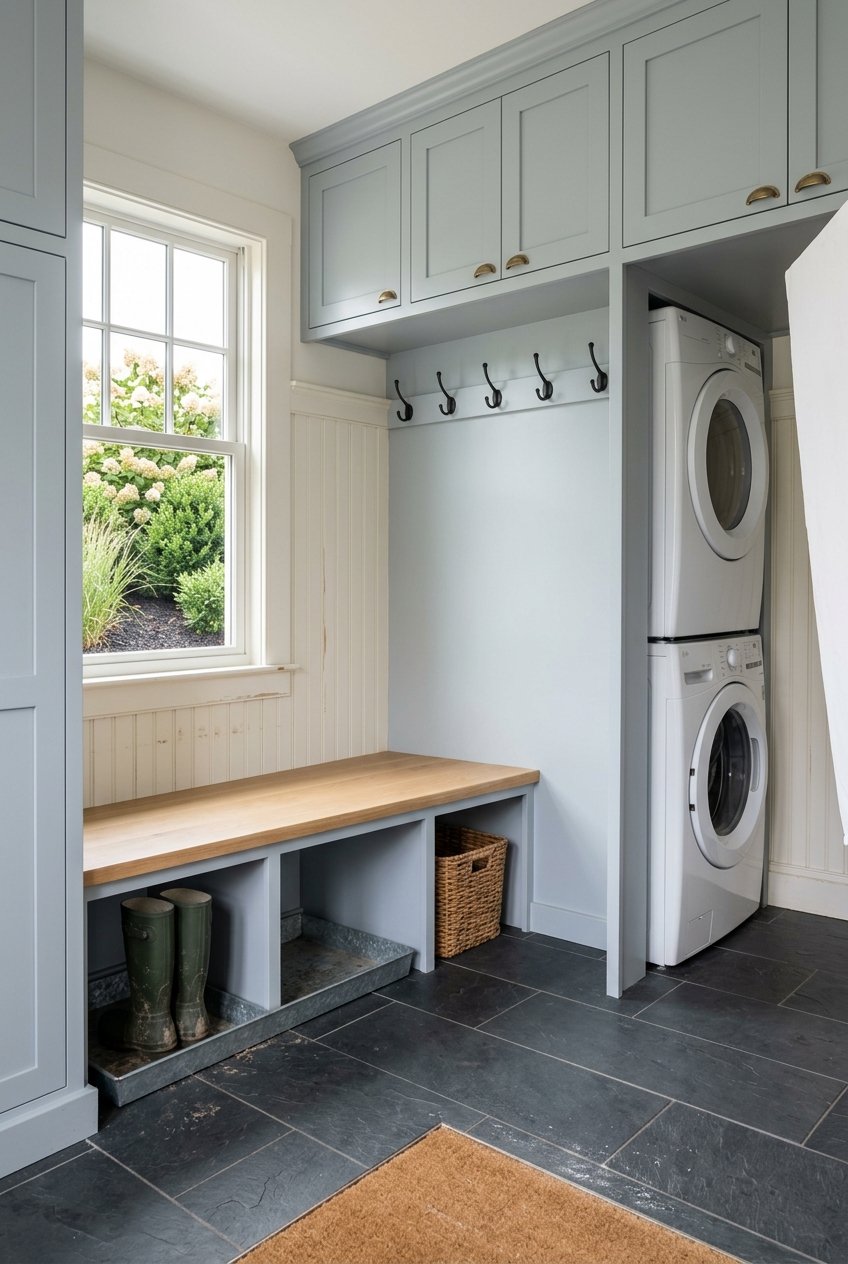
It is also smart to pay attention to practical storage. Beach gear, extra linens, seasonal supplies, and owner items all need a home if the property will host family or guests without feeling cluttered.
When you tour homes, ask yourself a few direct questions:
- Where will guests sleep without disrupting daily flow?
- Is there enough storage for seasonal gear?
- Can the home be closed up and reopened smoothly?
- Will maintenance tasks be simple or constant?
- Does the layout fit quiet weekends and fuller summer visits?
The best second home is usually the one that handles both everyday ownership and seasonal peaks with the least friction.
Buy With the Long View
Owning a second home in Kennebunkport can be deeply rewarding, but the practical side matters just as much as the setting. The right purchase is not only about views, style, or proximity to the coast. It is about how well the home fits your travel pattern, maintenance comfort level, budget, and long-term plans.
If you approach the process with clear expectations, you can buy with much more confidence. That means asking better questions early, verifying rules before you rely on assumptions, and choosing a property that supports the ownership experience you actually want.
If you are exploring a second home in Kennebunkport and want a clear, detail-focused approach to the search, Shanna Jadooram can help you evaluate options, spot practical issues early, and move forward with confidence.
FAQs
What makes second-home ownership in Kennebunkport different?
- Kennebunkport has a strong seasonal-use pattern, with 3,629 year-round residents and an estimated summer population of more than 12,000, so ownership often involves more planning around travel, maintenance, and guest use.
What should buyers know about winter maintenance for a Kennebunkport second home?
- Winter maintenance is a major consideration because the area averages 48.9 inches of snowfall annually, and Maine Emergency Management Agency advises absent homeowners to monitor heat daily or drain and shut off the water system to reduce freeze damage.
Do standard homeowners insurance policies cover flood damage in Kennebunkport?
- No. Maine Emergency Management Agency and the state insurance bureau state that standard homeowners policies do not cover flood damage, so separate flood insurance may be needed.
Can you use a Kennebunkport second home as a short-term rental?
- Possibly, but you should verify it before buying because short-term rental licenses are annual, nontransferable, tied to the dwelling unit, and subject to town rules and limited availability.
Why do older homes in Kennebunkport need extra due diligence?
- Many homes in the historic district are early-19th-century wood-framed buildings, which can mean more attention to exterior upkeep, aging systems, and renovation planning.
What annual costs should buyers expect for a Kennebunkport second home?
- In addition to the mortgage, buyers should plan for property taxes, insurance, possible flood insurance, heat monitoring, snow management, landscaping, and property checks or management services.