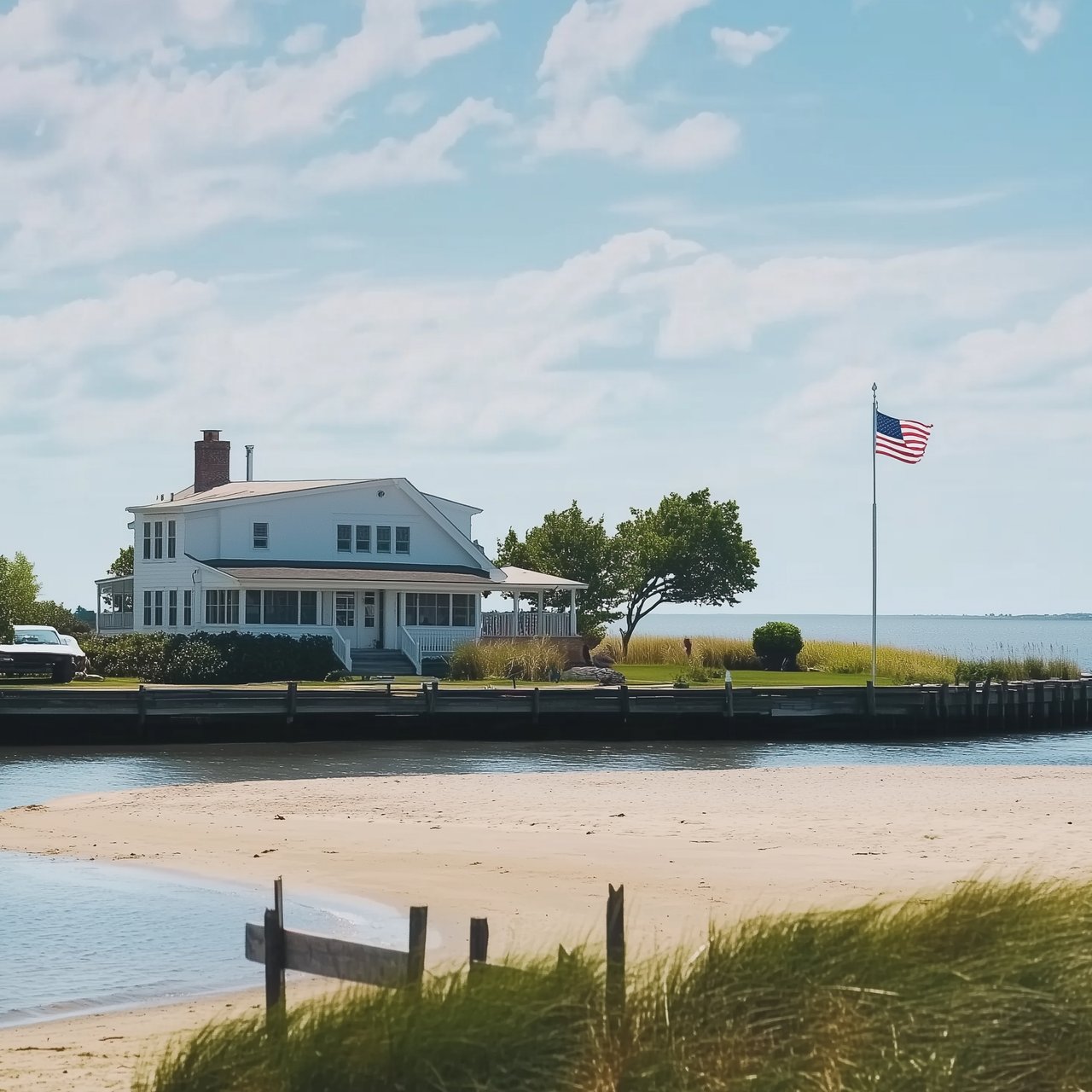
Thinking about building new in Kennebunkport? It can be an exciting path, but in a coastal town with local zoning rules, shoreland standards, floodplain review, and permit timing to consider, new construction often involves more moving parts than buyers expect. The good news is that when you know what to check early, you can make smarter decisions about the lot, the builder, the contract, and the timeline. Let’s dive in.
Why Kennebunkport New Construction Is Different
New construction in Kennebunkport is not just about choosing a floor plan and finishes. Because this is a small coastal town, local land-use rules can have a major impact on what you can build, where you can build it, and how long approvals may take.
Kennebunkport adopts and enforces Maine Uniform Building and Energy Code, also called MUBEC. The town’s Code Enforcement Officer serves as the Building Official and issues building permits and certificates of occupancy. That means your project generally needs to meet both state building code standards and the town’s local zoning or land-use requirements.
Understand the Approval Process Early
One of the biggest mistakes buyers make is assuming the builder’s construction timeline is the whole story. In Kennebunkport, permit timing can also depend on whether the lot needs additional local, state, or federal approvals before a building or use permit can be issued.
The town states that no building or use permit may be issued until all other required permits are in place. Permits also expire if work does not start within one year or is not substantially complete within two years. If work starts before the permit is issued, the town doubles the fee.
Floodplain Review Can Affect Timing
If a property is in a flood hazard area, a separate flood hazard development permit is required before construction begins. For you as a buyer, that can affect the path to closing, especially on a pre-construction purchase where the schedule depends on approvals being completed on time.
This is one reason it helps to ask about floodplain status at the very start, not after you are already emotionally committed to the home or lot.
Lot Selection Is About More Than Location
In Kennebunkport, choosing the right lot is not only a lifestyle decision. It is also a zoning, permitting, and site-feasibility decision.
A detached single-family dwelling may have a lighter local review path than some other project types. Kennebunkport’s site-plan rules exempt detached single-family dwellings, accessory apartments, two-family dwellings, home occupations, and related accessory structures, driveways, and parking areas from site plan review. Still, that exemption does not remove the need for any other approvals that may apply to the lot.
Shoreland Rules Can Limit the Buildable Area
On coastal or shoreline parcels, the buildable envelope can shrink quickly. In Kennebunkport’s shoreland areas, structures generally must be set back at least 75 feet from the normal high-water mark or wetland edge, except in the Dock Square and Riverfront zones where the setback is 25 feet.
The town also sets minimum shorefront and lot-area standards in shoreland areas. For residential lots adjacent to tidal waters, the ordinance includes a minimum of 40,000 square feet and 150 feet of shore frontage. In addition, the total footprint of structures, parking areas, and other nonvegetated surfaces in the shoreland zone is capped at 20% of the lot area, except in Dock Square.
For buyers, this means a lot that looks generous on paper may still offer less usable building area than expected. It is worth confirming these limitations before you move forward.
Septic and Well Feasibility Matter
If the lot will rely on a private well, Maine requires pre-approval of the well site. The state also notes a 300-foot setback from contamination sources such as fuel tanks and leach fields.
If the property will use septic, a new or replacement subsurface wastewater system requires a permit, a site evaluation, and an application prepared by a licensed site evaluator or professional engineer. These are not details to leave until late in the process, especially on a vacant lot.
Custom Build vs. Planned Community
Not all new construction follows the same path. In Kennebunkport, there can be a meaningful difference between building on a standalone lot and buying into a planned community or subdivision.
With a custom build, more of the site-specific risk often falls on you and your team. That can include zoning questions, floodplain review, septic and well feasibility, shoreland compliance, and contractor readiness.
What a Subdivision Changes
Kennebunkport’s subdivision regulations are designed to make sure new developments have adequate services, utilities, stormwater controls, and lot capacity. A subdivision plan cannot be recorded until final approval is granted, and land in an unapproved subdivision cannot be conveyed.
The rules also state that utilities cannot serve lots without final approval, and no lot in a subdivision may be sold, leased, or otherwise conveyed before the street and required improvements serving that lot are completed. After final plan approval, the town may still require a performance guarantee of at least 125% of estimated infrastructure costs before permits can be issued or lots sold.
For you, that often means a planned community can feel more defined because the infrastructure and approval framework are already being handled at the development level. A standalone lot may offer more flexibility, but it can also require more due diligence upfront.
A Kennebunkport Timing Issue Buyers Should Not Miss
Kennebunkport uses a growth management permit system for dwelling units. The ordinance allocates permits among growth, transitional, and rural areas and uses a first-come, first-served approval process.
A valid growth management permit expires if it is not used to obtain a building permit within 120 days. If you are considering a pre-construction lot or a subdivision home, this is a local timing issue worth checking before you sign.
Builder and Contractor Questions Matter Here
In any market, builder selection is important. In Kennebunkport, it is also part of your compliance strategy.
If work will disturb soil in the shoreland zone, Maine requires an erosion-control certified person to be on site during soil disturbance. That means you should confirm not only price and availability, but also whether the contractor is equipped for shoreland erosion-control compliance when the site requires it.
A strong builder conversation should also cover:
- Who is responsible for permits and technical approvals
- What is included in the base price
- What items are treated as allowances or upgrades
- How change orders are approved and priced
- What inspections are included during construction
- What warranty applies after closing
These questions help you compare options clearly and avoid surprises later.
Contract Terms to Review Carefully
With new construction, the home is still being assembled, so your contract details carry extra weight. Practical questions about money, scope, and timing are often more important than buyers realize at first.
The Consumer Financial Protection Bureau advises buyers to make their purchase offer and sales contract contingent on financing and a satisfactory inspection. The agency also notes that builders may ask for an upfront deposit or earnest money, so it is smart to ask exactly when that deposit can be returned before you commit.
Inspections Still Matter on New Homes
A new home is not the same as a perfect home. The CFPB advises buyers to schedule an independent inspection as soon as possible and complete a final walk-through before closing so problems can be identified and addressed while there is still time.
In a market like Kennebunkport, that advice is especially useful because local approval timing and coastal-site conditions can add complexity to the process.
A Practical Due Diligence Checklist
Before you move forward on a Kennebunkport new-construction purchase, it helps to confirm a few key items early.
What to Verify Before You Commit
- Zoning district for the property
- Floodplain status
- Shoreland status
- Septic feasibility
- Well feasibility
- Subdivision approval status, if applicable
- Growth management permit availability
- Contractor readiness for erosion-control compliance, if applicable
A careful review at the front end can save time, money, and stress later.
Why Local Guidance Helps
New construction in Kennebunkport can be rewarding, but it is rarely a plug-and-play process. Between shoreland setbacks, flood hazard review, growth management timing, and lot-specific utility questions, the details matter.
If you are buying from out of town, building a second home, or comparing a planned community with a custom lot, having a responsive local advisor can make the process feel much clearer. The right support helps you ask better questions, track deadlines, and move forward with confidence.
If you are exploring new construction in Kennebunkport and want a clear, detail-focused plan, Shanna Jadooram can help you evaluate lots, communities, timelines, and next steps with local insight and steady guidance.
FAQs
What permits are needed for new construction in Kennebunkport?
- A new build generally must meet Maine building code standards enforced through MUBEC and also satisfy applicable Kennebunkport zoning or land-use requirements. Some properties may also need additional approvals, including a flood hazard development permit if the site is in a flood hazard area.
What should buyers know about shoreland zoning in Kennebunkport?
- Shoreland rules can affect setbacks, minimum lot size, shore frontage, and how much of the lot can be covered by structures, parking, and other nonvegetated surfaces. These rules can significantly reduce the buildable area on a coastal lot.
What is the growth management permit in Kennebunkport?
- Kennebunkport uses a growth management permit system for dwelling units. Permits are allocated by area, approved on a first-come, first-served basis, and expire if they are not used to obtain a building permit within 120 days.
Do new construction homes in Kennebunkport still need inspections?
- Yes. Buyers should consider an independent inspection and a final walk-through before closing so any issues can be identified and addressed before the transaction is complete.
Is buying in a subdivision different from building on a private lot in Kennebunkport?
- Yes. A planned community or subdivision may have more of the infrastructure and approval framework already defined, while a custom build on a standalone lot often requires more site-specific due diligence related to zoning, utilities, floodplain issues, and shoreland compliance.